Claude Monet: Painter of Light
From the Normandy coast to his garden at Giverny, a lifetime spent painting light as it changes.
Highlighted work

Cliffs at Pourville
Oil · 100 × 60 cm · 1882
See more about the artworkNew in the studio
Recent works · 6
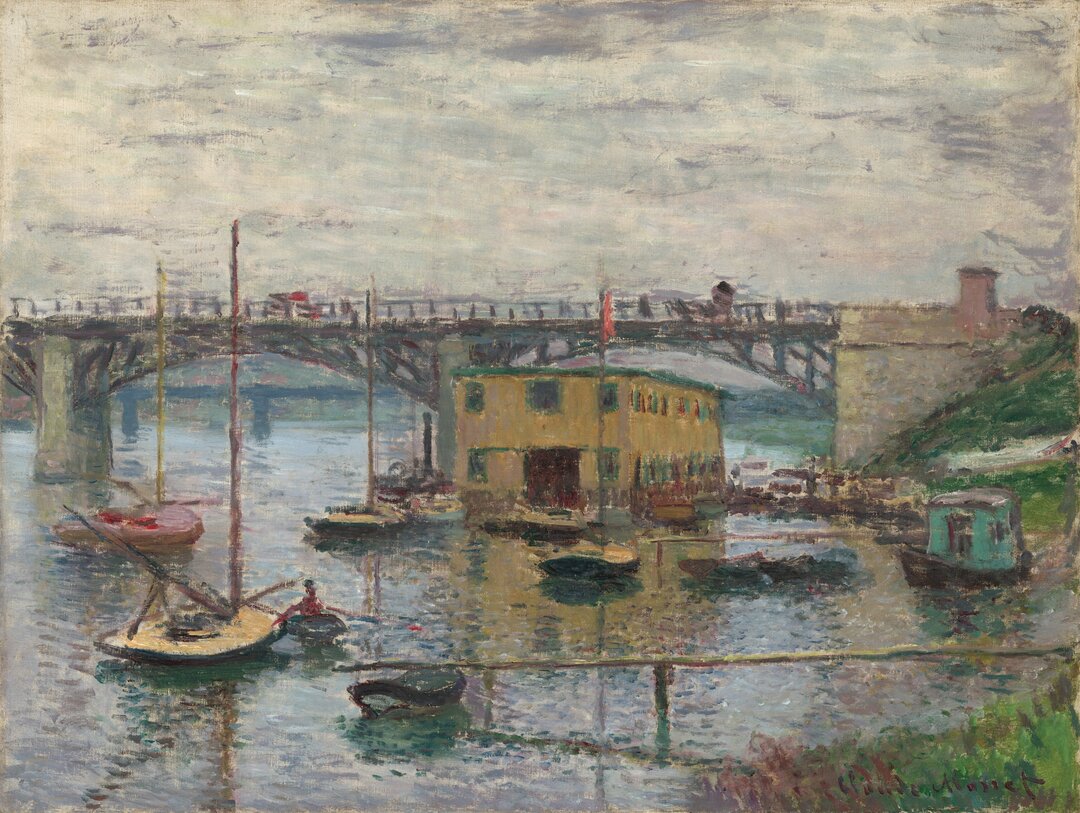
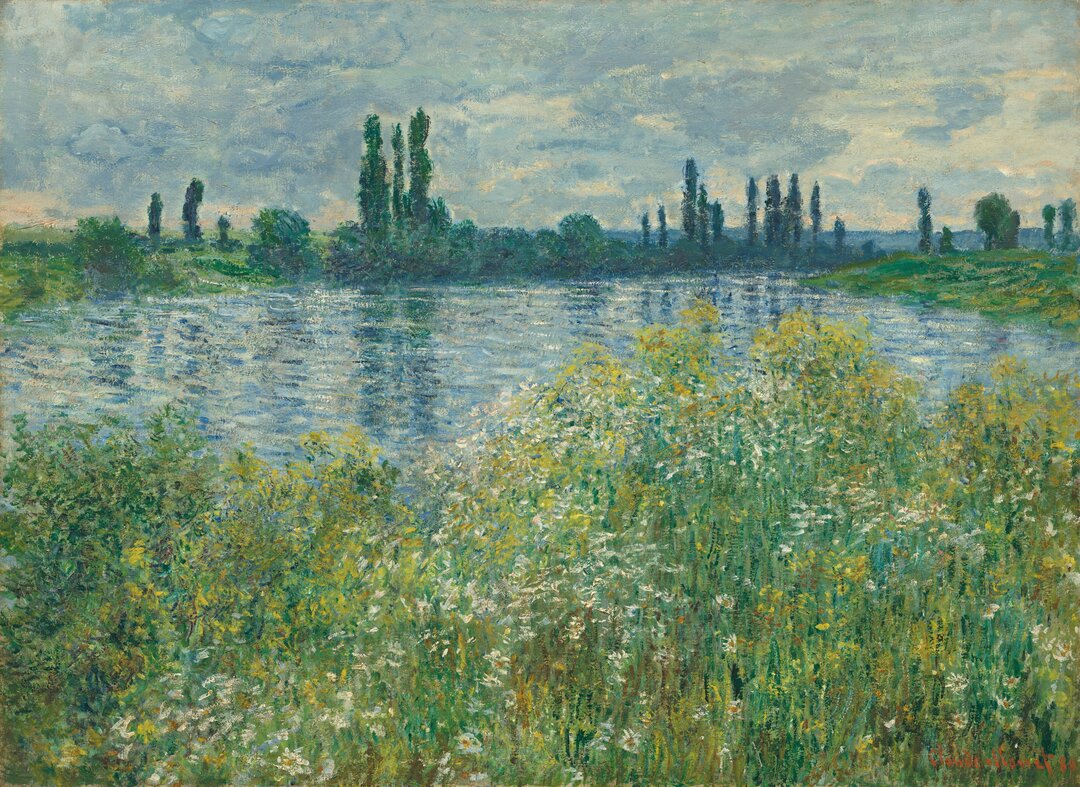
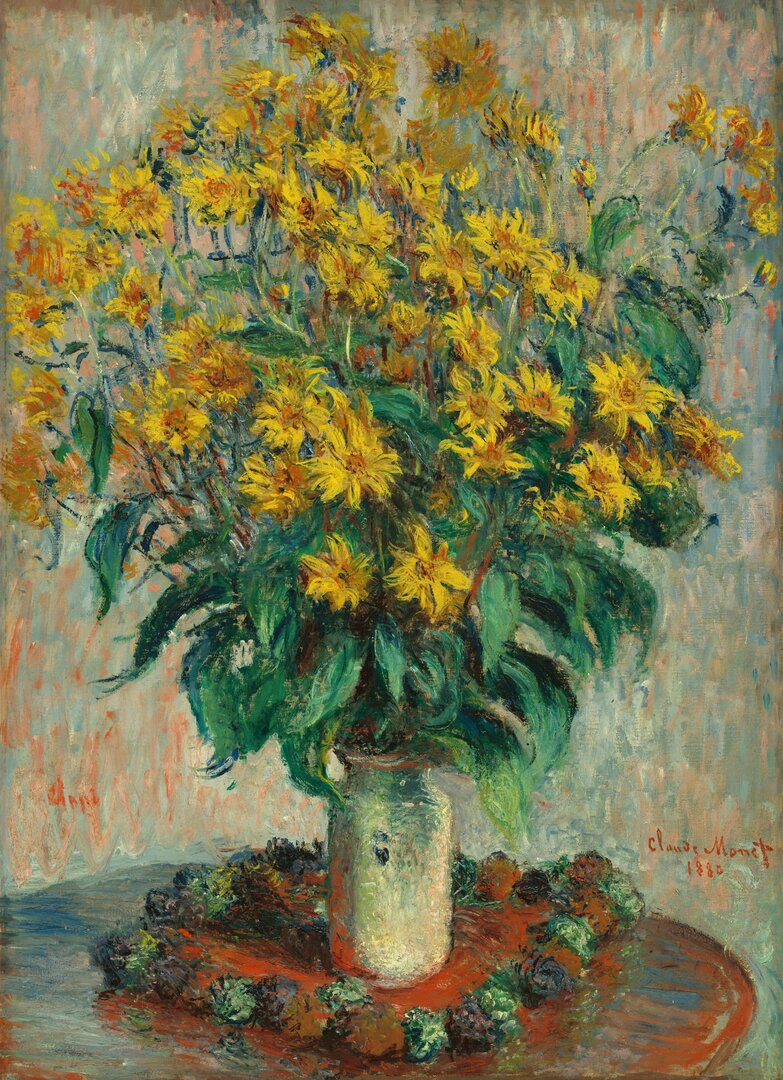

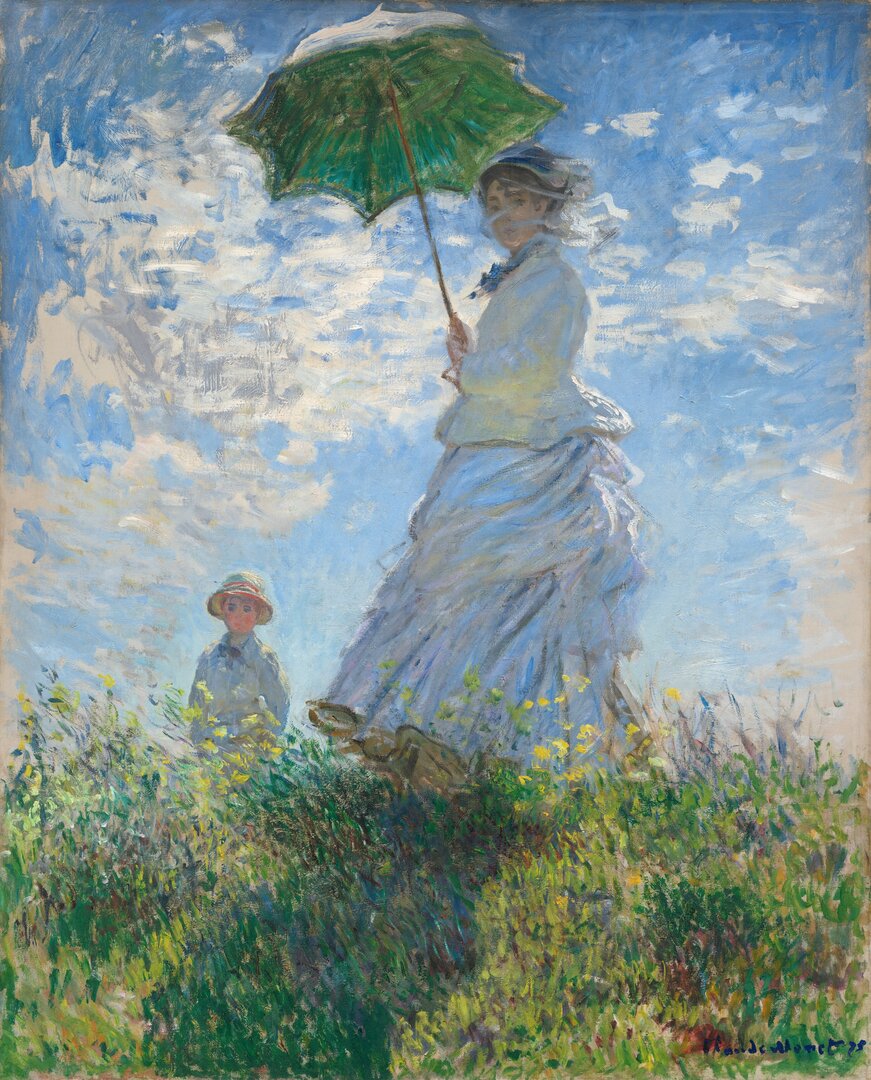
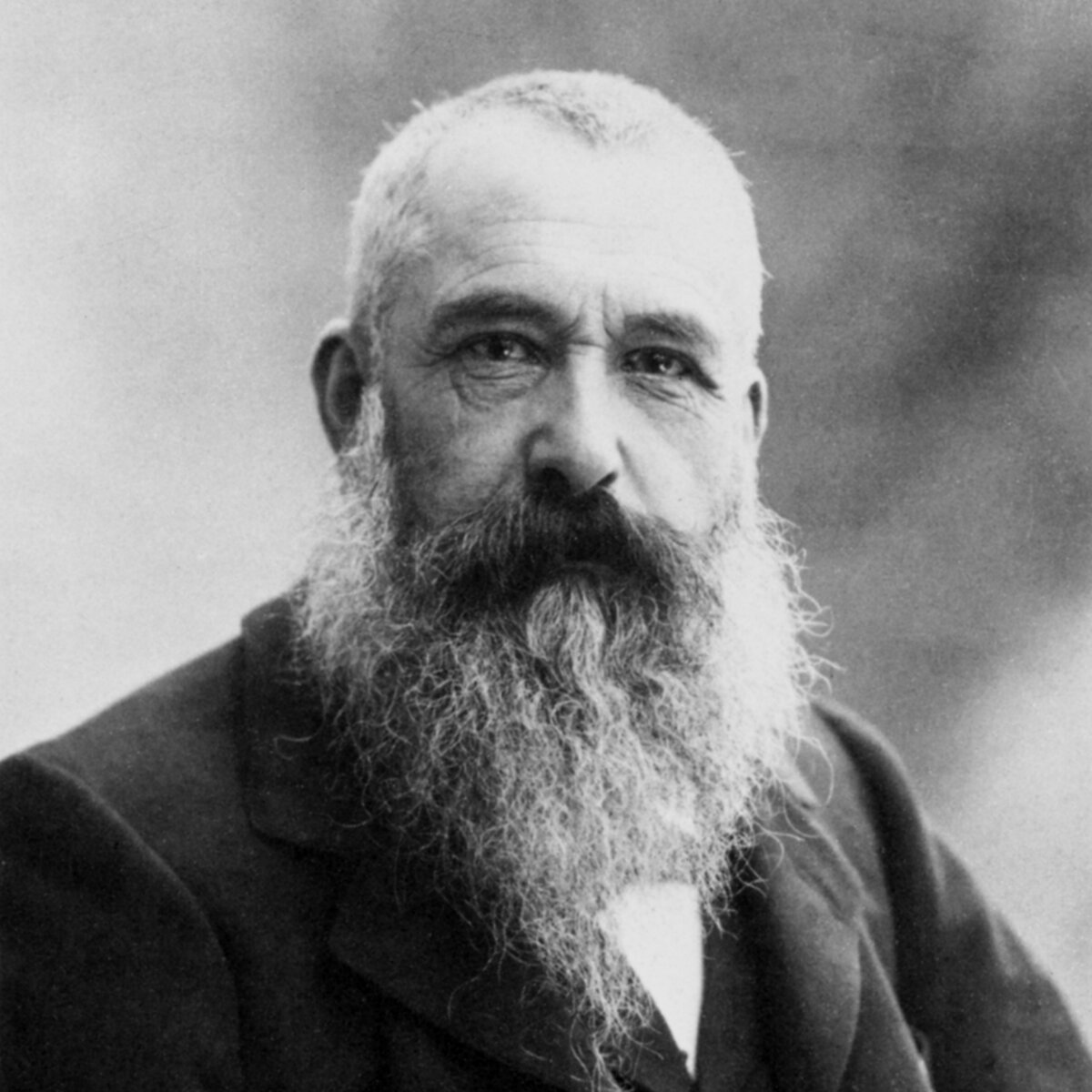
Painter · France
French painter (1840–1926) and founder of Impressionism, the movement named after his painting Impression, Sunrise, known for capturing natural light, atmosphere and fleeting visual effects.
Oscar-Claude Monet was born on 14 November 1840 on the fifth floor of 45 rue Laffitte in Paris's 9th arrondissement, the second son of Claude Adolphe Monet and Louise Justine Aubrée Monet. He was raised in Le Havre, Normandy, and was drawn to the outdoors and drawing from an early age. His father hoped he would help run the family grocery business, but Monet wanted to be an artist.
In Le Havre he met Eugène Boudin, who introduced him to painting outdoors, or plein air, an approach that shaped the rest of his career. After two years of military service in Algeria from 1860 to 1862, he returned to Paris. Dissatisfied with how art was taught, he joined the studio of Charles Gleyre, where he met Pierre-Auguste Renoir and Alfred Sisley. At the Café Guerbois he also came into contact with Zola, Nadar, Cézanne, Degas and Manet, who were beginning to challenge the art establishment.
Their loose brushwork, everyday subjects and interest in changing light broke with academic conventions. In 1874 Monet and like-minded artists organised the First Impressionist Exhibition as an alternative to the official Salon. There he showed Impression, Sunrise, painted in Le Havre in 1872, whose title gave the whole movement its name.
His early years were marked by rejection and financial hardship, and he struggled with depression, poverty and illness throughout his life. He married Camille Doncieux, formerly his model, in 1870, and after her death married Alice Hoschedé in 1892.
In 1883 he moved to Giverny, where he lived for the rest of his life and created a large garden. Wanting to document the French countryside, he developed a method of painting the same scene many times to capture shifting light and passing seasons. The best-known examples are his haystacks (1890–1891), Rouen Cathedral (1892–1894), and the water lilies of his Giverny garden, which occupied him for the last 20 years of his life.
Unlike many artists, Monet was already famous during his lifetime. He died at Giverny on 5 December 1926. His reputation soared further in the second half of the 20th century, when he became one of the world's most famous painters and an inspiration for new generations of artists.
In Le Havre he met Eugène Boudin, who introduced him to painting outdoors, or plein air, an approach that shaped the rest of his career. After two years of military service in Algeria from 1860 to 1862, he returned to Paris. Dissatisfied with how art was taught, he joined the studio of Charles Gleyre, where he met Pierre-Auguste Renoir and Alfred Sisley. At the Café Guerbois he also came into contact with Zola, Nadar, Cézanne, Degas and Manet, who were beginning to challenge the art establishment.
Their loose brushwork, everyday subjects and interest in changing light broke with academic conventions. In 1874 Monet and like-minded artists organised the First Impressionist Exhibition as an alternative to the official Salon. There he showed Impression, Sunrise, painted in Le Havre in 1872, whose title gave the whole movement its name.
His early years were marked by rejection and financial hardship, and he struggled with depression, poverty and illness throughout his life. He married Camille Doncieux, formerly his model, in 1870, and after her death married Alice Hoschedé in 1892.
In 1883 he moved to Giverny, where he lived for the rest of his life and created a large garden. Wanting to document the French countryside, he developed a method of painting the same scene many times to capture shifting light and passing seasons. The best-known examples are his haystacks (1890–1891), Rouen Cathedral (1892–1894), and the water lilies of his Giverny garden, which occupied him for the last 20 years of his life.
Unlike many artists, Monet was already famous during his lifetime. He died at Giverny on 5 December 1926. His reputation soared further in the second half of the 20th century, when he became one of the world's most famous painters and an inspiration for new generations of artists.
Contact
A work, a commission, a studio visit - write to me here. I answer every message personally.
Claude Monet